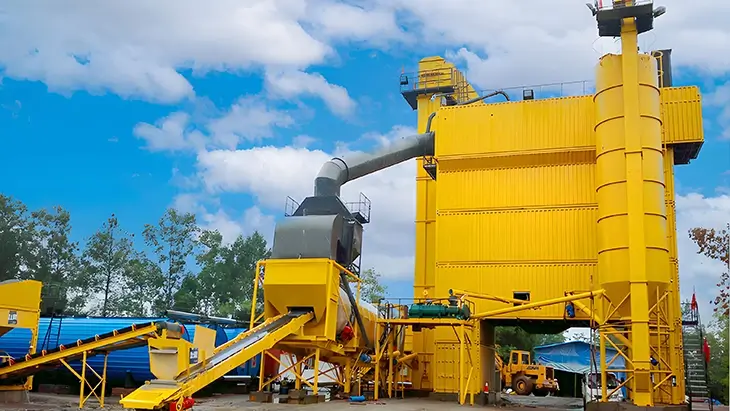
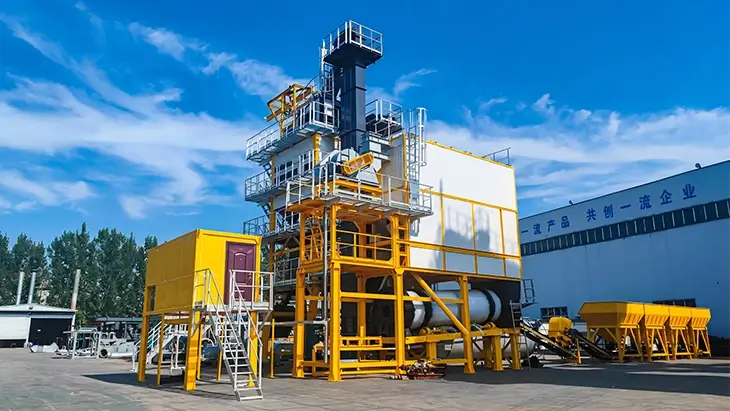
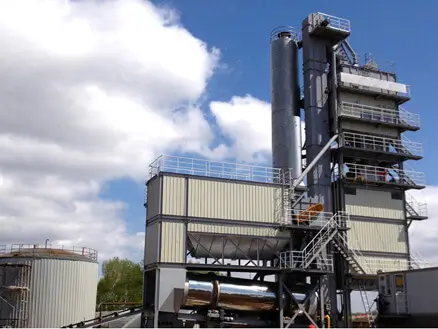
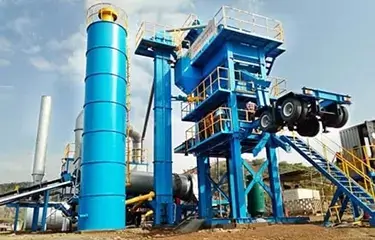
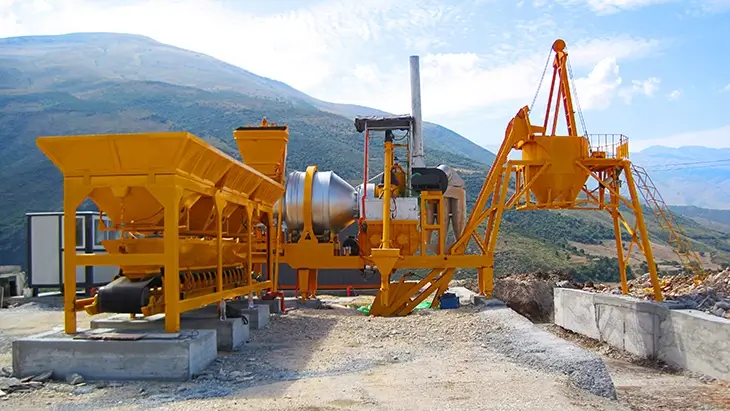
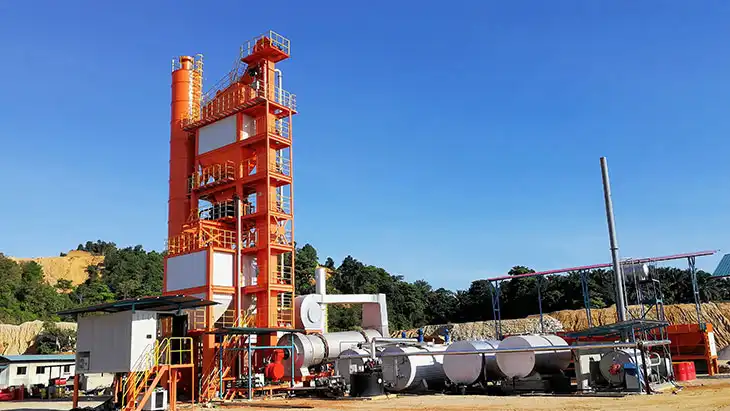
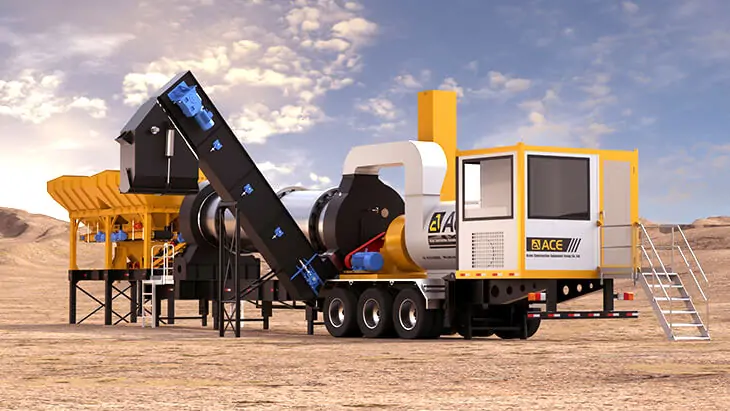

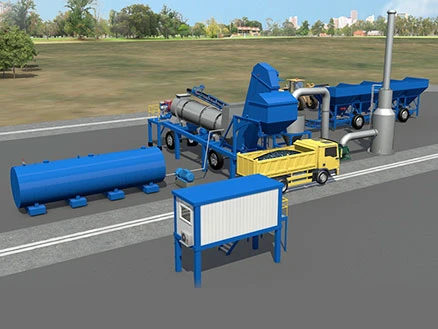
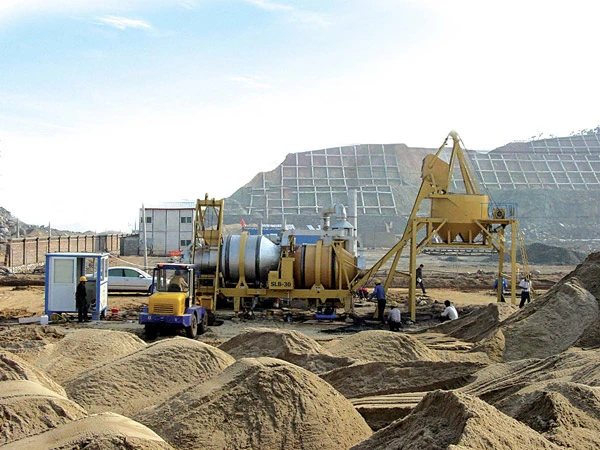
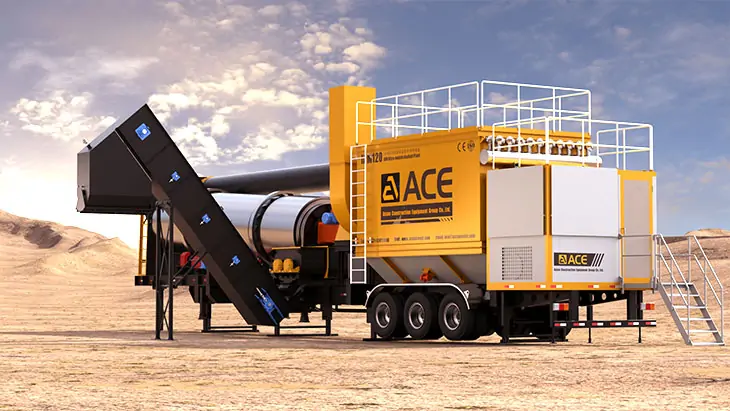
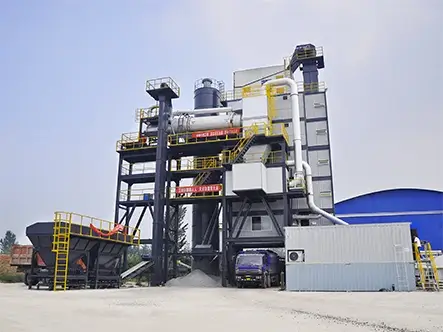
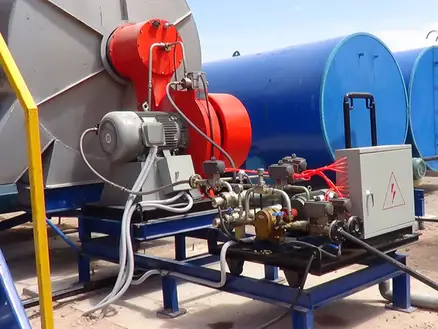
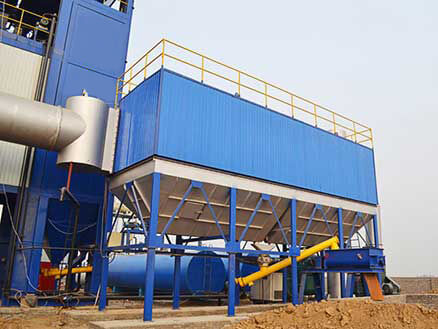


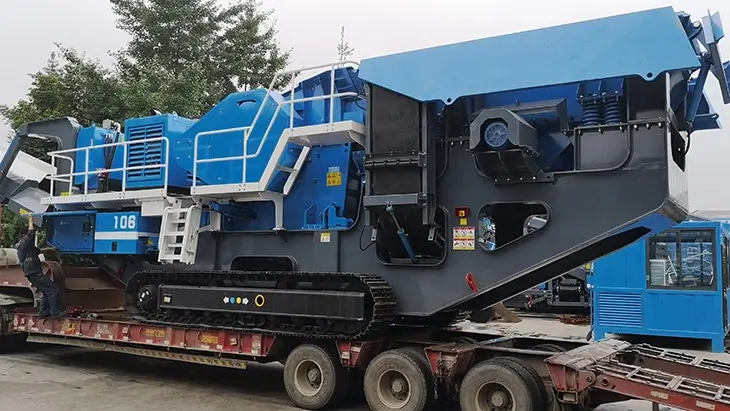
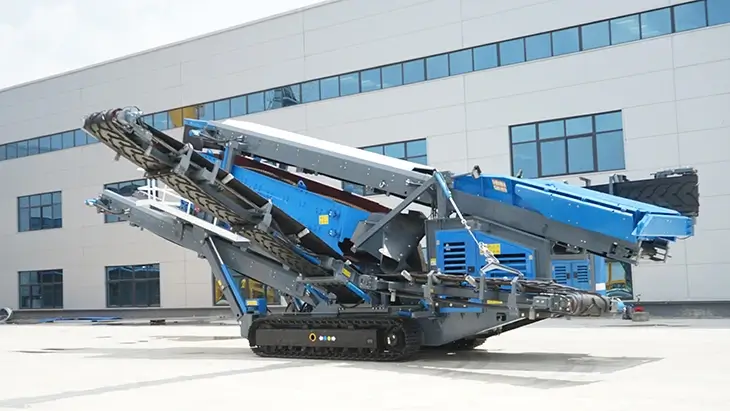
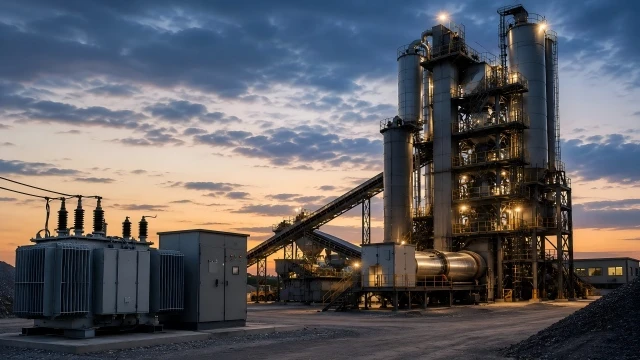
In the setup and engineering procurement of a commercial asphalt mixing plant, having a stable, safe, and affordable power supply is the foundation of smooth production. When setting up this category of heavy machinery, many plant managers forget one important step: properly sizing the electrical transformer. If the power requirement is not calculated correctly, the plant often faces power shortages after equipment arrives, leading to costly delays and possible damage to machines.
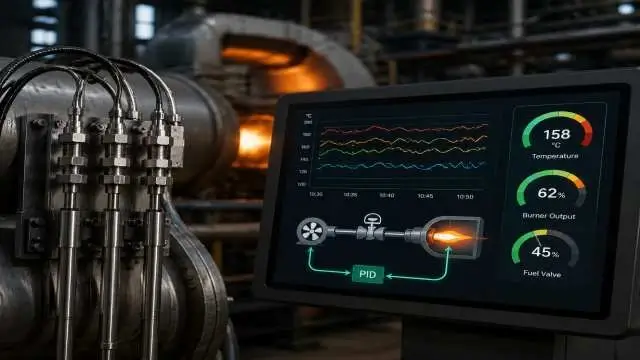
In road construction across the world, the performance of your asphalt mixing plant decides how fast projects move, how consistent the mix quality is, and how long the final road will last. One of the biggest challenges for plant operators is keeping the discharge temperature stable.
Unstable discharge temperature can cause serious paving problems and lead to material waste. This guide explains the three main causes of temperature fluctuations — bitumen heating issues, aggregate heating variations, and sudden moisture in the cold feed — and gives clear, practical solutions to help you maintain steady production and protect your profits.
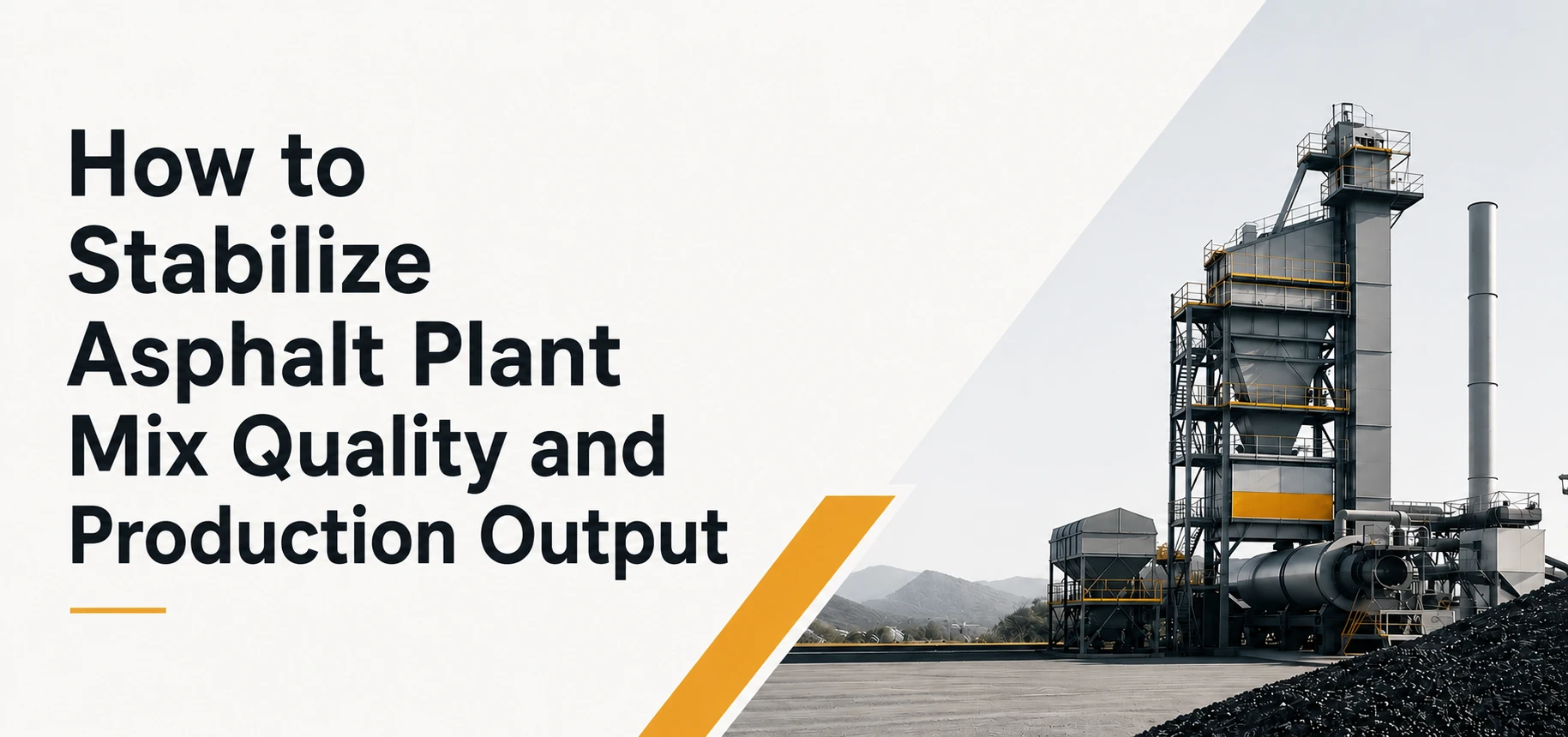
In road construction across the world, the performance of your asphalt mixing plant directly determines how fast your projects move and how long the roads will last. Plant operators often face two major challenges: inconsistent mix quality and unstable daily production output. This practical guide explains the common causes — such as aggregate contamination, temperature problems, and feed supply issues — and provides clear engineering solutions to help you maintain steady production and improve your project profits.
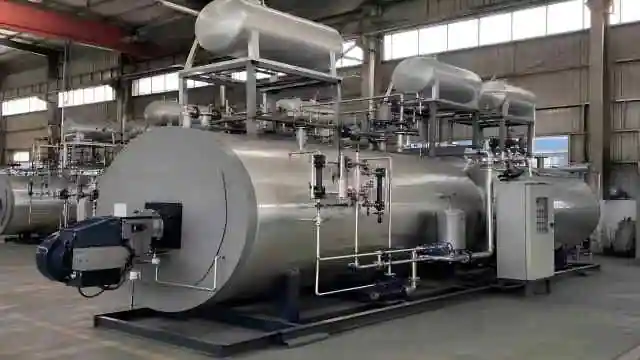
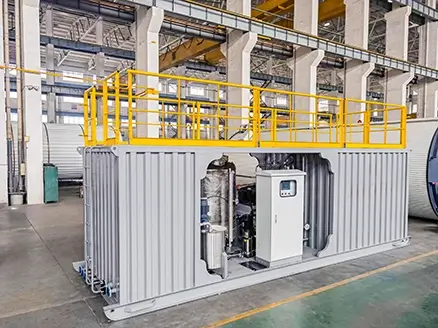
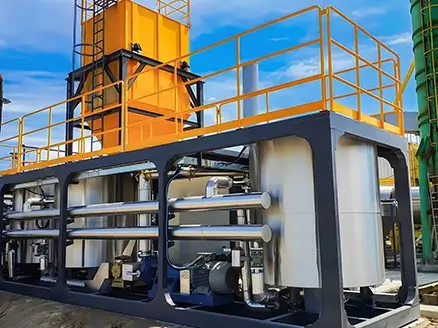
In the road and bridge construction industry, the thermal oil heater is the "heart" of an asphalt mixing plant. It provides the necessary thermal energy for heating bitumen, maintaining the temperature of storage tanks, and ensuring the smooth operation of the entire mixing system. As global industrial demand recovers, understanding the thermal fluid heater price and its long-term investment value is critical for asphalt plant owners to maintain a competitive edge and optimize project ROI.
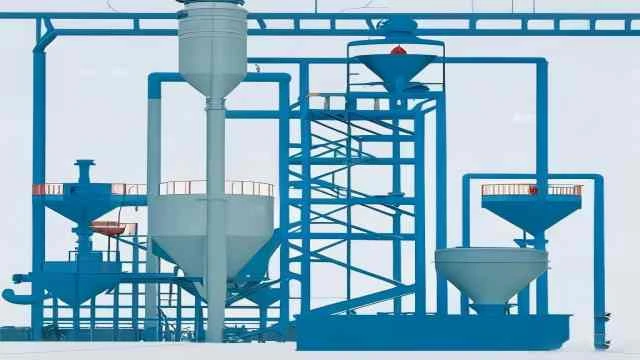
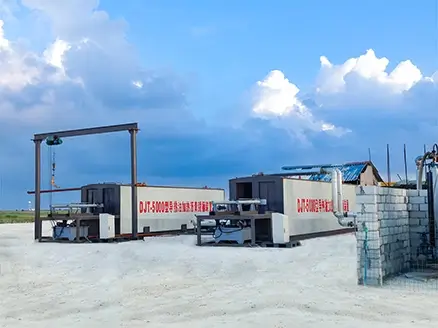
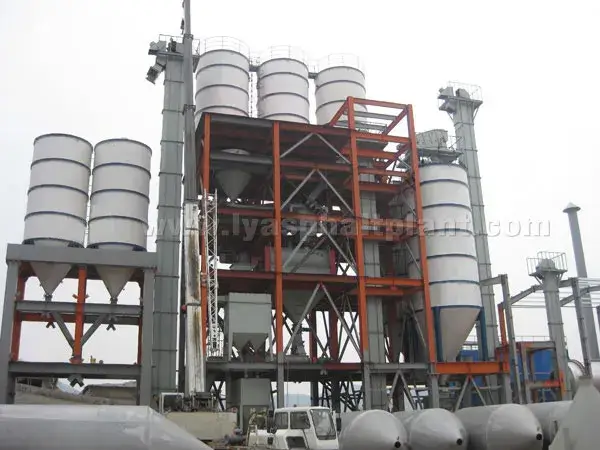
Dry mix mortar (also known as pre-blended dry mortar) is an engineered mixture of precisely proportioned cement, high-quality sand, and functional additives, manufactured under rigorous factory conditions. According to international standards such as ASTM C1714 and EN 998, dry mix mortar is thoroughly blended in a dry state and requires only the addition of water at the job site. This industrial approach eliminates the inconsistencies of traditional on-site mixing, ensuring superior bond strength, workability, and durability for modern construction.
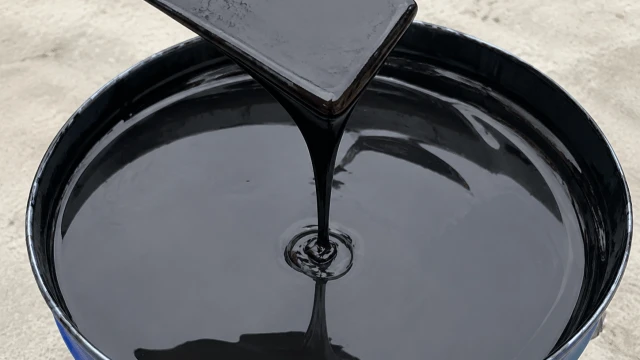
Technically, bitumen emulsion is a heterogeneous, two-phase system where bitumen is dispersed as microscopic droplets within a continuous water phase, stabilized by a chemical surfactant known as an emulsifier. According to the International Bitumen Emulsion Federation (IBEF), this "Cold Technology" allows the binder to remain liquid and workable at ambient temperatures. By eliminating the need for extreme heating, it provides a more sustainable, energy-efficient (saving up to 50% energy), and safer alternative to traditional hot bitumen.
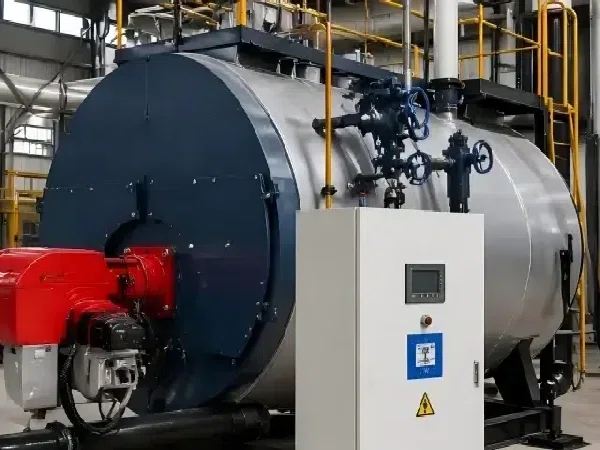
Choosing a high-quality thermal oil boiler is a critical decision that many enterprises find challenging. With a wide variety of heating equipment available—including gas-fired, oil-fired, coal-fired, and electric models—selecting the product that best meets your needs is essential. As a premier manufacturer and supplier, ACE Group aims to guide you through the process by analyzing price, performance, and service to help you select the most suitable heating solution for your operations.
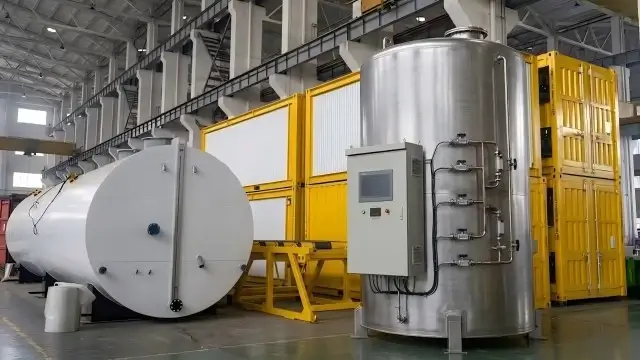
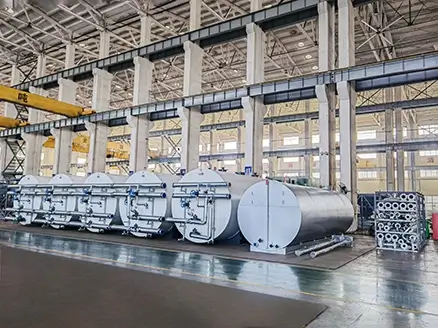
Bitumen tanks are infrastructure equipment specially used for bitumen storage and transportation, which are mainly composed of a tank body, a heating system, a transportation system, insulation layers and a control system.
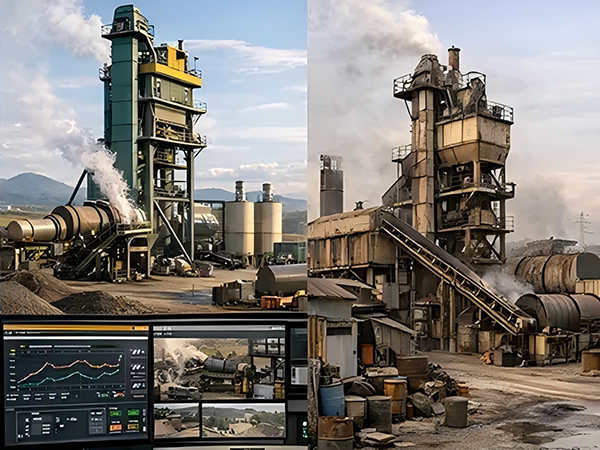
As a core piece of equipment in road construction, asphalt mixing plants directly impact project progress and pavement lifespan through their operational efficiency and product quality. However, in actual production, asphalt mixing plants commonly face problems such as frequent equipment failures, lack of transparency in the production process, and significant quality fluctuations.

Polymer modified bitumen plant, PMB plant for short, is a specialized, integrated system designed to produce polymer modified bitumen, a high-performance material essential for modern road construction, paving, and roofing.